Flux SRPO LoRA: better skin and portraits for FLUX.1 Dev
Topic: Models

By Captain
Published 2026-09-30
The SRPO LoRAs apply Tencent's preference-optimized Flux weights as a LoRA, improving skin detail, lighting and portrait realism. Learn weights, settings and prompt ideas for photographic people.
Overview
SRPO (Semantic Relative Preference Optimization) is a fine-tuning method that aligned
FLUX.1 Dev
toward human preferences, dramatically improving realism in portraits and skin. These
LoRA
extractions by Alissonerdx bring that improvement to any Flux Dev workflow instead of requiring the full
checkpoint
.
Use it as a realism base layer: it produces better portraits and skin than Dev or Krea alone and stacks with character LoRAs.
Reference
Name | Type | What it is |
|---|---|---|
LoRA weight | 0.7-1.0 | 1.0 for full effect; 0.7 when stacking a character LoRA. |
Trigger | none | None needed. |
Guidance | 2.5-3.5 | Lower values keep skin natural. |
Steps | 25-30 | Standard Dev. |
Base | FLUX.1 Dev | Dev or Krea Dev. |
AD

No install required - run AI models on the cloud
BitVector Prism is the easiest way to start: pick a model, type a prompt and generate in a clean web app, with nothing to configure. BitVector is also available on Discord and on the web (SpyGlass).
Step by step
- Attach SRPO at 1.0 to Flux Dev.
- Write a photographic prompt with a described light source.
- Set guidance 3, 28 steps.
- Compare the same seed with and without the LoRA; look at pores, hair and light falloff.
- Add a character or style LoRA at 0.7 if needed and lower SRPO to 0.8.
Examples
Window-light portrait
A close portrait of a man in his fifties with a salt-and-pepper beard by a north-facing window, natural skin texture, 85mm, f/2.
SRPO 1.0, guidance 3
Group scene
Three friends laughing around a kitchen table at dusk, warm pendant light, candid, 35mm.
SRPO 0.9
Creative idea: period portrait
A 1940s-style studio portrait of a jazz singer, single hard key light, film grain, black and white.
SRPO 1.0
Tips
- Natural light prompts (window light, overcast) show the biggest gains.
- It also improves lighting in non-portrait scenes; try it on interiors.
- Keep guidance low; SRPO's realism and high guidance fight each other.
- Pairs well with the ULP amateur-photo LoRA for candid looks.
Troubleshooting
Faces look over-detailed
Why it happens
Guidance too high with the LoRA at 1.0.
How to fix it
Guidance 2.5 or LoRA at 0.8.
Style LoRA weakened
Why it happens
SRPO at 1.0 dominates.
How to fix it
Lower SRPO to 0.6-0.7 and raise the style LoRA.
AD

No install required - run AI models on the cloud
PirateDiffusion is Telegram only and built for pros: thousands of models, LoRAs and workflows driven by chat commands, with unlimited generation on a fixed price plan.

Questions
Can I use it on FLUX.2?
No, it is a FLUX.1 Dev LoRA.
Is there a full SRPO checkpoint?
Yes, but the LoRA is lighter and composes with other LoRAs.
Links and sources
Models in this guide
Written by
Captain
Related guides
Models
Shou Xin pencil sketch LoRA: minimalist graphite drawings on Flux
Datou1111's shou_xin LoRA turns Flux into a minimalist pencil sketch artist. Learn its trigger word, weight, how to prompt for line economy, and ideas for sketchbook-style series.
By Captain
2026-10-03
Models
UltraRealistic LoRA Project (ULP) v2: candid, amateur-style photos on Flux
Danrisi's UltraRealistic LoRA Project makes Flux images feel like real snapshots: livelier poses, imperfect light, honest texture. Learn its trigger phrases, weight and settings, and ideas for believable everyday photographs.
By Captain
2026-09-30
Models
Shuttle 3.1 Aesthetic: fast, pretty Flux Schnell images in 4 steps
Shuttle 3.1 Aesthetic by ShuttleAI is a Schnell fine-tune that outperforms the original in aesthetics at 4-6 steps. Learn the settings, prompting and ideas for fast, polished results.
By Captain
2026-09-29
Models
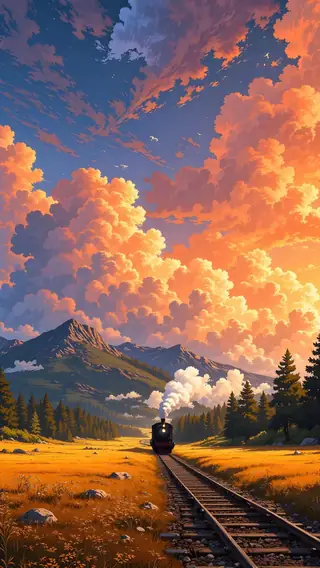
Flux Ghibsky Illustration: serene painted skies on Flux
The GHIBSKY LoRA by aleksa-codes gives Flux a soft, animation-inspired illustration style with glowing skies. Learn its trigger, weight, prompt structure and ideas for calm, luminous scenes.
By Captain
2026-10-03
More guides
Models
FLUX.1 Dev: how to prompt it, best settings and creative ideas
A practical guide to FLUX.1 Dev by Black Forest Labs: natural-language prompting, guidance and step settings, LoRA stacking, text rendering and prompt ideas that play to its strengths.
By Captain
2026-09-30
Models
Stable Diffusion XL 1.0: prompts, settings and what it still does best
How to get the most out of the official SDXL 1.0 base model: native resolutions, CFG and sampler settings, the refiner, negative prompts and ideas for styles where SDXL still shines.
By Captain
2026-10-01

Models
Stable Diffusion 1.5: the classic model, prompted properly
Stable Diffusion 1.5 is still worth knowing: the right resolution, CFG and sampler, how to use its huge library of LoRAs and embeddings, and creative prompt ideas suited to a 512-pixel model.
By Captain
2026-10-02

Models
FLUX.2 Dev: prompting the newest Black Forest Labs model
FLUX.2 Dev brings larger prompts, better text, stronger realism and multi-reference editing. This guide covers the turbo workflow, guidance and resolution settings, prompt structure and ideas that use its new strengths.
By Captain
2026-10-03

Models
Qwen-Image: long prompts, perfect text and bilingual posters
Qwen-Image is the model to reach for when the words in the picture matter. Learn how to write its long descriptive prompts, render English and Chinese text accurately, set CFG and steps, and explore layout-heavy creative ideas.
By Captain
2026-09-29
Models
SDXL-Lightning: four-step generation on any SDXL checkpoint
ByteDance's SDXL-Lightning LoRA turns a 30-step SDXL render into a 4-step one. Learn the step counts, the CFG you must use, the sampler, and how to combine it with your favorite checkpoints and style LoRAs.
By Captain
2026-09-30

Model
Trends
.ai
© ModelTrends.ai
|
Made in Japan
|
© 2026